The night vigil: How feminine culture is reshaping Iran’s streets
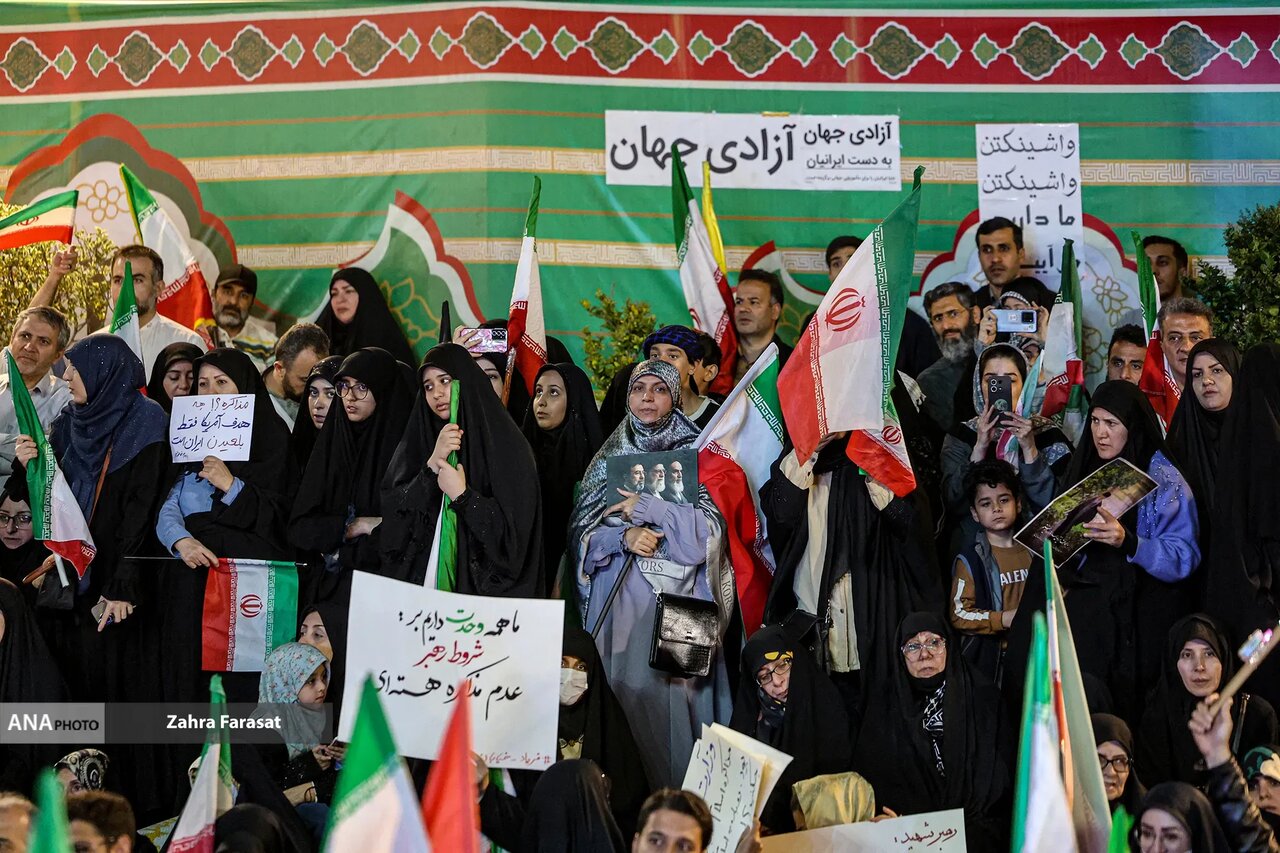
Just as Iranian women were being framed by global hegemonic propaganda through the lens of the burqa—a garment that has never fundamentally belonged to Iran—the most feminine social movement of the century was emerging. On the streets of Iran, this movement was giving rise to a new kind of nocturnal life.
We often simplistically label a movement as "feminine" based on demographics or the volume of rights-based demands. Yet femininity is a culture that transcends sex and gender; it depends neither on numerical presence nor on legalistic frameworks.
There are two opposing behavioral models: masculine domination and feminine nurturing. Feminine culture does not mirror Genghis Khan; its goals are not murder, plunder, conquest, and domination. Its goals are nurturing, care, allowing, and coexistence.
For two and a half months, Iran witnessed nightly gatherings that participants simply called a "vigil." These gatherings—defined by waving flags, singing hymns, chanting, mourning the fallen, and sharing tea—developed their own distinct art, language, and music.
The characteristics of this movement include:
* Networked organization: The gatherings are decentralized and non-hierarchical.
* Service as power: There are no commanders; "care" for others is the only recognized source of authority.
* Reclaiming space: Everyday streets and squares have been transformed into sites of resistance.
* Cultural presence: Symbols and cultural signs are reclaimed without relying on nudity.
* Ethic of solidarity: A participatory ethic based on lived experience keeps the movement alive.
* Creative resistance: Tactics are non-violent and creative. While ready to sacrifice for the homeland, people sing: "Friends have gone, blood-soaked and headless; we remain, but together."
* Psychological cohesion: Women play a remarkable role in maintaining the security and calm of the crowd.
* Intertwined spheres: The personal and the political merge; the fallen are mourned as family.
* Intergenerational participation: Diverse groups, from grandchildren to the elderly, stand side by side regardless of wealth.
* Collective memory: The movement produces its own narrative through melancholic melodies.
* Ethical boundaries: Interactions are defined by dignity and smiles rather than conflict.
* Rhythm of life: The presence resembles a calm evening gathering, ensuring its sustainability within everyday life.
* New kinship: Non-blood bonds and new forms of family are being forged.
* Redefined roles: Gender identities are shifting as women remain active in the streets until late at night.
* Media representation: The high volume of cultural imagery is driven by the significant presence of women, moving from citizen media to global outlets.
This is a movement of feminine culture flowing through the streets of Iran. Surveys suggest that over 50% of the population has participated at least once, with 25% maintaining a constant presence.
Iran is creating a brilliant culture—in silence, in calm, and without fanfare.
Leave a Comment